Professional Solutions for Maximum Energy Savings
Installing Insulation Without Considering Local Climate Needs
Selecting insulation based solely on price or availability rather than climate-appropriate R-values represents one of the most costly errors homeowners make. The R-value measures thermal resistance, and Arkansas homes require specific ratings to combat both sweltering summers and cold winter months.
During Little Rock’s humid summers, when temperatures regularly exceed 90 degrees, inadequate attic insulation allows heat to penetrate living spaces, forcing air conditioning systems to work overtime. Conversely, during winter cold snaps that can drop temperatures into the twenties, insufficient wall insulation permits heated air to escape rapidly.
The Department of Energy recommends R-38 to R-60 for attics in Arkansas, R-13 to R-15 for exterior walls, and R-25 to R-30 for floors above unheated spaces. Installing R-19 in an attic when R-49 is appropriate creates a thermal barrier that is less than half as effective, resulting in proportionally higher energy consumption.
Homeowners who install DIY insulation frequently select products based on immediate cost rather than long-term performance. This shortsighted approach leads to monthly utility bills that remain stubbornly high despite the insulation investment. Professional assessment ensures that material selection matches your home’s specific thermal requirements and existing structural conditions.
Incomplete Coverage That Undermines Thermal Performance
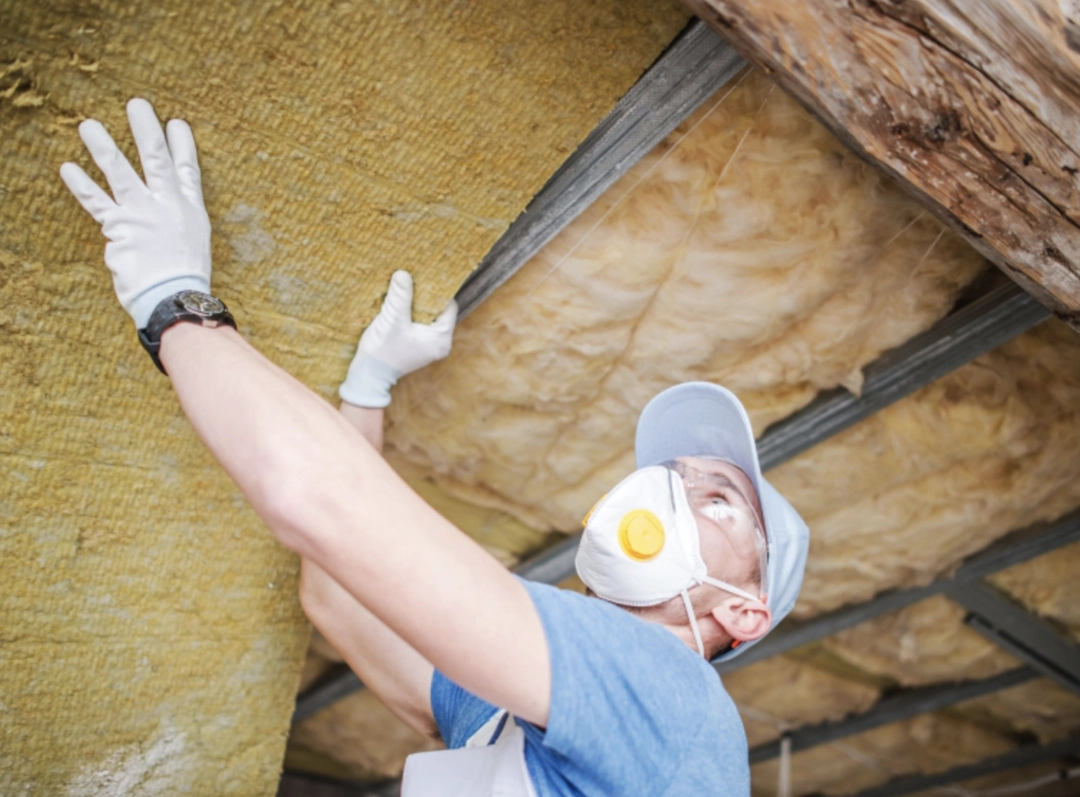
Even high-quality insulation materials fail to deliver promised energy savings when installation includes gaps, compressions, or incomplete coverage. Thermal bridging occurs wherever insulation is absent or compressed, creating pathways for heat transfer that dramatically reduce overall system effectiveness.
Common gap locations include areas around recessed lighting fixtures, electrical boxes, plumbing penetrations, and corners where walls meet ceilings. A single two-inch gap in attic insulation can reduce the effective R-value of an entire section by 40 percent, as air convection currents flow freely through the opening.
Compression presents an equally serious problem. When fiberglass batts designed for standard stud spacing are forced into slightly narrower cavities, the material compresses and loses its insulating properties. Insulation works by trapping air within its fibers; compression eliminates these air pockets and reduces thermal resistance proportionally.
In Arkansas homes with complex rooflines and multiple architectural features, achieving complete coverage requires experienced techniques and specialized equipment. Blown-in insulation can fill irregular spaces that batts cannot reach, while spray foam creates seamless barriers around penetrations. Professional installers understand how to maintain proper density throughout the application, ensuring consistent performance across the entire thermal envelope.
Homeowners attempting installation without proper training often leave significant portions of their homes thermally unprotected, negating the benefits of insulation in covered areas and maintaining unnecessarily high energy consumption.
Creating Conditions for Mold, Rot, and Material Degradation
Arkansas’s high humidity levels, particularly during summer months when relative humidity frequently exceeds 70 percent, make moisture management essential for insulation performance and longevity. Insulation installed without appropriate vapor barriers or adequate ventilation traps moisture within wall and attic assemblies, leading to mold growth, wood rot, and insulation degradation.
Moisture enters building assemblies through multiple pathways, including warm interior air carrying water vapor that condenses when it contacts cooler surfaces within walls or attics. Without a properly positioned vapor barrier, this moisture accumulates in insulation materials, reducing their R-value and creating ideal conditions for biological growth.
Attic ventilation presents particular challenges. Many homeowners add insulation to their attics while blocking soffit vents or failing to maintain adequate ridge ventilation. This creates stagnant air conditions that trap heat and moisture, causing shingles to deteriorate prematurely while reducing insulation effectiveness.
Different insulation types require different moisture management strategies. Fiberglass batts need vapor barriers on the warm side of the assembly. Spray foam insulation creates its own moisture barrier but requires proper application techniques to prevent condensation issues. Blown cellulose insulation must be treated for moisture resistance and installed at correct densities to prevent settling when exposed to humidity.
Professional installation includes assessment of existing ventilation systems, proper vapor barrier placement based on climate zone requirements, and integration of insulation with the home’s overall moisture management strategy. These considerations prove critical in Arkansas, where seasonal humidity variations place unique demands on building assemblies.
Creating Fire Hazards and Equipment Failures
Insulation installed over recessed lighting fixtures, around chimneys without proper clearances, or too close to heat-producing equipment creates serious fire hazards while causing premature equipment failure. Building codes establish specific clearance requirements for insulation around heat sources, yet DIY installations frequently violate these safety standards.
Recessed lighting fixtures not rated for insulation contact (non-IC rated) must maintain at least three inches of clearance from all insulation materials. When homeowners blow insulation into attics without first identifying and protecting these fixtures, the insulation blocks heat dissipation, causing fixtures to overheat. This degrades electrical components, shortens bulb life, and creates potential ignition sources.
Chimneys and flue pipes require even greater clearances. Most building codes mandate two inches of airspace between chimney masonry and combustible materials, including insulation. Metal flue pipes may require greater clearances depending on temperature ratings. Insulation that contacts or surrounds these heat sources can char, smolder, or ignite.
HVAC equipment, water heaters, and exhaust fans also generate heat that requires consideration during insulation installation. Covering equipment access panels with insulation makes maintenance difficult and potentially dangerous. Blocking equipment ventilation openings causes overheating and system failures.
In older Little Rock homes, where recessed fixtures and uninsulated chimneys are common, proper insulation installation requires careful identification of all heat sources, installation of appropriate barriers or shields, and strategic material placement that maintains required clearances. Professional installers carry the training and tools to address these safety considerations while still achieving optimal thermal performance.
Missing the Critical First Step for Energy Efficiency
Adding insulation without first sealing air leaks represents perhaps the most common and costly error in home energy improvements. Air leakage accounts for 25 to 40 percent of heating and cooling energy consumption in typical homes, yet homeowners frequently skip air sealing and proceed directly to insulation installation, expecting dramatic energy savings that never materialize.
Air moves through homes via numerous pathways: gaps around windows and doors, penetrations where plumbing and electrical lines enter, spaces around recessed fixtures, unsealed ductwork connections, and openings where different building materials meet. Warm air rises and escapes through upper-level leaks during winter, while hot outdoor air infiltrates through lower openings during summer, creating continuous air exchange that undermines insulation performance.
Insulation slows heat transfer through materials but does not stop air movement. A six-inch layer of fiberglass insulation provides excellent thermal resistance to conductive heat transfer but offers virtually no resistance to air flowing through gaps beneath or around it. Air carries heat far more efficiently than conduction, so unsealed air leaks allow conditioned air to escape regardless of insulation thickness.
Professional energy improvements begin with comprehensive air sealing using appropriate materials for each application: spray foam for irregular gaps, caulk for narrow cracks, weatherstripping for moving joints, and rigid blocking for larger openings. Only after establishing an effective air barrier does insulation installation deliver its full potential value.
Xcel Home Energy Solutions, LLC provides thorough home energy assessments that identify air leakage patterns throughout your property. The team uses diagnostic testing to locate hidden air pathways, applies professional-grade sealing techniques, and then installs climate-appropriate insulation that works in concert with the air barrier to deliver maximum energy savings. Customers trust these services because the approach addresses root causes rather than symptoms, resulting in measurably lower utility bills and improved home comfort. The comprehensive assessment methodology ensures that your insulation investment delivers its full potential return by working within a properly sealed thermal envelope.
During Arkansas’s temperature extremes, when air conditioning systems struggle through 95-degree afternoons or furnaces combat overnight freezes in the low twenties, properly sealed and insulated homes maintain comfortable temperatures with substantially less energy consumption. Homes that skip air sealing continue experiencing drafts, temperature variations between rooms, and utility bills that remain frustratingly high despite insulation upgrades. The sequential approach of sealing first, then insulating, transforms energy performance in ways that insulation alone cannot achieve.